Custom AI Agent Development Company for Intelligent Platforms

Build AI agents and custom business platforms that understand your data, connect with your existing systems, and complete meaningful work across your organization.

Just Digital Gurus is a custom AI agent development company helping businesses turn AI ideas into secure, practical, and scalable digital systems. We develop individual AI agents, coordinated multi-agent systems, internal AI workspaces, customer-facing applications, and complete business operations platforms.

Our work covers the full journey—from opportunity discovery and technical planning to user experience design, development, integration, testing, deployment, and ongoing support.

We do not force every project into the same model, framework, or automation tool. Our team evaluates your workflows, data, users, security requirements, and long-term goals before choosing the right combination of AI models, software architecture, integrations, and human controls.

Strategy to Production: Move from an initial AI idea to a tested, documented, and production-ready business solution.
Agents and Complete Platforms: Build the intelligence layer, user interface, integrations, controls, dashboards, and reporting your solution requires.
Platform-Agnostic Development: Use the commercial, open-source, enterprise, or custom technologies that best fit your business.
Human-Controlled AI: Keep employees involved in approvals, sensitive actions, exceptions, and important business decisions.
Projects Delivered
5-Star Client Rating
Clients Across USA, UK, Australia and More
SEO, Web Design, Development, and Digital Marketing Expertise
Offices in India and USA
Projects Delivered
5-Star Client Rating
Clients Across USA, UK, Australia and More
SEO, Web Design, Development, and Digital Marketing Expertise
Offices in India and USA

Move Beyond Generic AI Tools

Generic AI applications can help employees draft content, summarize information, or answer simple questions. However, they rarely understand your full workflow, connect every business system, respect detailed user permissions, or complete multistep work from beginning to end.

This often leaves businesses with several disconnected AI subscriptions but no clear operating system.

Just Digital Gurus develops custom AI agents and platforms around your actual processes. These systems can securely access approved knowledge, use connected tools, follow defined business rules, complete tasks, and involve the right employee when human judgment is needed.

Common Problems We Help Solve

Disconnected AI Tools

Bring separate AI capabilities, data sources, workflows, and business applications into one controlled environment.

Difficult Knowledge Access

Help employees find accurate information across documents, databases, policies, records, and internal systems.

Repetitive Manual Work

Allow agents to collect, organize, classify, summarize, update, route, and report information.

Slow Customer Response

Use chat, voice, email, and messaging agents to handle routine requests and route complex cases.

Limited Software Flexibility

Build around your actual processes when off-the-shelf software cannot support the way your business operates.

Uncontrolled AI Usage

Manage prompts, knowledge sources, permissions, costs, actions, approvals, and agent activity centrally.

Weak System Integration

Connect AI with CRM, ERP, email, databases, cloud storage, websites, and internal applications.

Outdated Business Software

Modernize legacy tools with improved interfaces, workflows, automation, reporting, and AI capabilities.

What Are Custom AI Agents and AI Platforms?

Custom AI agents are software systems designed to understand information, make decisions, use approved tools, and complete tasks based on a company's specific processes. An AI platform combines these agents with business data, integrations, user interfaces, permissions, analytics, and workflow controls so employees or customers can use AI safely in daily operations.

An agent may handle one responsibility, such as qualifying leads or reviewing documents. A complete platform can coordinate several agents, users, systems, workflows, and approval requirements.

AI Agent& Platform
Agent Multi-Agent Workflow Platform
01

AI Agent

A software system that uses AI, business rules, data, and connected tools to complete a defined responsibility.

02

Multi-Agent System

A group of specialized agents that divide work, share information, verify results, and complete more complex processes.

03

AI Workflow

A structured process that combines traditional automation with AI-based classification, interpretation, and decision support.

04

AI Platform

A complete environment containing agents, interfaces, integrations, permissions, knowledge sources, monitoring, and operational controls.

Custom AI Agent Development Services
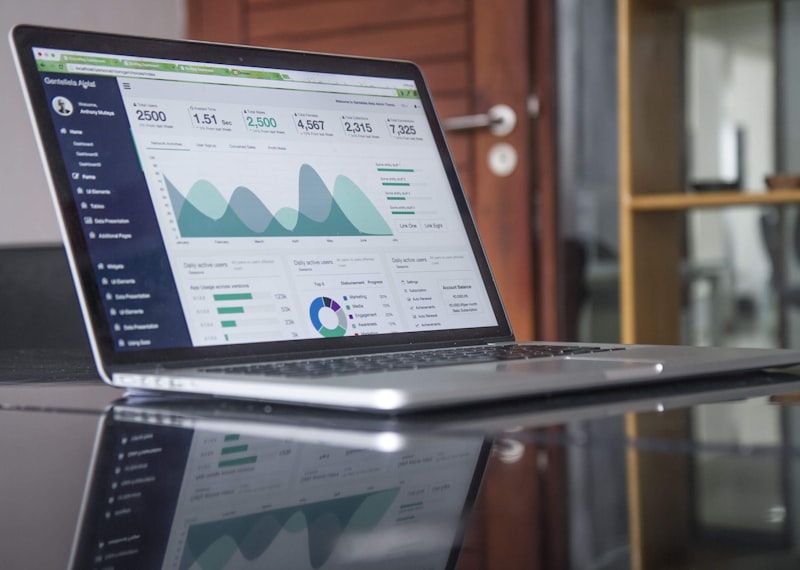
Our services are built around business outcomes rather than isolated technical features. We first identify what the system must accomplish, who will use it, which tools it must connect, and where human involvement should remain.

AI Agent Strategy and Feasibility Consulting

AI Agent Strategy and Feasibility Consulting

We evaluate the business problem, users, processes, available data, technical dependencies, risks, and expected value before development begins.

This helps determine whether you need a simple automation, a task-specific agent, a multi-agent system, or a complete AI platform.

Key deliverables may include:

  • Business-process review
  • AI opportunity identification
  • Use-case prioritization
  • Data-readiness assessment
  • Integration analysis
  • Agent maturity recommendation
  • Technical feasibility review
  • Phased implementation roadmap
Custom AI Agent Development

Custom AI Agent Development

We develop agents around specific roles, responsibilities, rules, tools, and performance requirements.

Each agent can be designed to collect information, retrieve knowledge, prepare recommendations, use business applications, complete approved actions, and escalate exceptions.

Custom capabilities can include:

  • Business-specific reasoning
  • Tool and API usage
  • Short-term and long-term memory
  • Structured output generation
  • Context-aware responses
  • Role-based permissions
  • Human approval checkpoints
  • Error and exception handling
Multi-Agent System Development

Multi-Agent System Development

Some business processes are too complex for one agent. A multi-agent system divides work between specialized agents that collaborate through a controlled orchestration layer.

For example, one agent may research information, another may prepare a recommendation, a third may verify the result, and a supervisor agent may decide what happens next.

Multi-agent capabilities can include:

  • Specialized agent roles
  • Task planning and delegation
  • Shared context
  • Agent-to-agent communication
  • Supervisor and worker agents
  • Output verification
  • Conflict resolution
  • Coordinated workflow execution
Enterprise Knowledge and RAG Agents

Enterprise Knowledge and RAG Agents

Give employees or customers secure access to information stored across documents, databases, policies, product records, training materials, and internal systems.

Retrieval-augmented generation, commonly known as RAG, helps agents answer questions using approved business sources instead of relying only on general model knowledge.

Knowledge-agent features can include:

  • Permission-aware search
  • Document retrieval
  • Source-linked answers
  • Semantic search
  • Knowledge-base synchronization
  • Document summaries
  • Policy assistance
  • Internal research support
Conversational and Voice AI Agents

Conversational and Voice AI Agents

Create AI agents that interact through websites, mobile applications, phone calls, email, WhatsApp, or internal messaging platforms.

These systems can answer routine questions, collect information, guide users through a process, schedule appointments, and transfer complex conversations to employees.

Possible solutions include:

  • Customer-service agents
  • Employee assistants
  • AI voice agents
  • Website chat agents
  • Appointment agents
  • WhatsApp agents
  • Multilingual agents
  • Product and service assistants
AI Workflow and Process Agents

AI Workflow and Process Agents

Develop agents that coordinate recurring operational work across people, platforms, documents, and business rules.

These agents can monitor events, gather information, complete approved steps, and route requests when human action is required.

Common workflow applications include:

  • Lead qualification
  • Customer onboarding
  • Document processing
  • Approval routing
  • Request management
  • Report preparation
  • Data synchronization
  • Service-delivery coordination
AI Agent Integration Services

AI Agent Integration Services

An agent becomes more useful when it can work securely with the systems your business already uses.

We connect agents through native integrations, APIs, webhooks, databases, Model Context Protocol servers, cloud services, or custom middleware.

Integration areas include:

  • CRM platforms
  • ERP systems
  • Email and calendars
  • Databases
  • Cloud storage
  • Communication tools
  • Marketing platforms
  • Legacy business software
AI Agent Testing and Evaluation

AI Agent Testing and Evaluation

AI systems need more than basic functional testing. We evaluate how the agent performs across expected requests, incomplete information, unusual cases, conflicting instructions, failed integrations, and restricted actions.

Testing can include:

  • Response-accuracy evaluation
  • Retrieval-quality testing
  • Hallucination testing
  • Prompt comparison
  • Tool-call testing
  • Permission testing
  • Failure simulations
  • Human-feedback evaluation
Agent Deployment and LLMOps

Agent Deployment and LLMOps

We prepare the system for real users, real data, and ongoing business activity.

Deployment planning can include model selection, environment configuration, monitoring, version control, performance tracking, usage management, and recovery procedures.

Deployment capabilities include:

  • Cloud deployment
  • Private-cloud deployment
  • Self-hosted options
  • Model routing
  • Cost monitoring
  • Latency monitoring
  • Prompt version control
  • Agent observability
AI Agent Support and Optimization

AI Agent Support and Optimization

AI agents should improve as your users, data, workflows, and business requirements change.

Our team can monitor performance, investigate failures, update knowledge, improve prompts, replace models, add integrations, and expand the system over time.

Ongoing support may include:

  • Performance monitoring
  • Issue resolution
  • Prompt refinement
  • Knowledge updates
  • Model upgrades
  • Integration maintenance
  • Security reviews
  • Capability expansion

Custom AI Solutions for Business That Go Beyond One Agent

An AI agent is often only one component of a complete business solution. Just Digital Gurus develops custom AI solutions for business that combine agents with user interfaces, databases, workflows, dashboards, integrations, permissions, and management controls. This creates an environment where employees, customers, managers, and administrators can use AI as part of a structured operating process.

Custom AI Operations Platforms

Centralize agents, tasks, documents, approvals, alerts, workflows, and performance information in one secure operating environment. These platforms can be designed around service delivery, customer operations, internal administration, project management, or industry-specific processes.

Internal AI Workspaces

Give employees one controlled place to search company knowledge, analyze documents, prepare reports, complete tasks, and access approved AI tools. Different departments can receive different agents, data access, permissions, and workflow options.

Customer-Facing AI Platforms

Create branded web or mobile applications where customers can ask questions, upload information, manage requests, complete onboarding, receive recommendations, or access personalized support. The experience can be connected directly to your business systems and customer records.

Enterprise Knowledge Platforms

Bring documents, policies, databases, training materials, product information, and operational records into a permission-aware search and assistance platform. Users can receive concise answers with supporting sources and complete related actions from the same environment.

Agent Management Platforms

Manage agents from one administrative dashboard. Administrative capabilities may include:

  • Agent roles and responsibilities
  • Model selection
  • Tool access
  • Knowledge sources
  • Prompt versions
  • User permissions
  • Human approval rules
  • Activity logs
  • Usage costs
  • Performance metrics
  • Error records
  • Integration status

Vertical AI Platforms

Develop industry-specific systems around workflows that generic software cannot properly support. Vertical AI platforms may be built for healthcare administration, legal operations, recruitment, real estate, finance, ecommerce, professional services, logistics, education, or regulated businesses.

AI-Powered SaaS Products

Turn an AI concept into a commercial software product. Just Digital Gurus can support the user experience, application development, AI features, subscription management, administration, analytics, integrations, cloud deployment, and long-term product improvement.

Connected Operations

Enterprise Custom Software Development for Connected Operations

Some operational problems need more than an AI agent. They require complete enterprise custom software development that brings users, processes, data, reporting, and automation into one environment. As a digital transformation partner, Just Digital Gurus can develop enterprise custom software around the exact way your organization works.

Business Operations Software

Build business operations software that manages recurring tasks, records, approvals, communication, service delivery, documents, and reporting. Instead of forcing employees to work across disconnected applications, one platform can provide a clear view of responsibilities, progress, and required actions.

Workflow Management Systems

Create custom process stages, task assignments, dependencies, deadlines, approval rules, notifications, and escalation paths. Workflow systems can support internal operations, client work, order processing, employee administration, or industry-specific service delivery.

Customer and Partner Portals

Give customers, vendors, contractors, or business partners secure access to documents, requests, updates, communication, and account information. AI agents can be added to help users find information and complete common actions.

Custom CRM Platforms

Develop relationship-management software around your actual sales, customer-success, account-management, or industry-specific process. The platform can combine contact records, activities, documents, tasks, communication, automation, and AI assistance.

Document Management Platforms

Create a structured environment for uploading, storing, classifying, searching, comparing, reviewing, summarizing, approving, and tracking documents. AI can support extraction and analysis while employees retain control over final decisions.

Reporting and Decision Platforms

Bring data from several systems into clear dashboards supported by automated summaries, explanations, alerts, and recommendations. Managers can see what changed, why it matters, and where attention may be required.

Legacy Software Modernization

Improve or replace outdated applications without losing important business logic or operational data. Modernization may include a new interface, cloud migration, integrations, workflow automation, mobile access, reporting, and AI capabilities.

Custom AI Agents for Business Departments

Our custom AI agents for business can support individual teams or coordinate work across the entire organization. Each agent is designed around a defined problem, connected systems, permitted actions, human checkpoints, and measurable outcomes.

Sales Agents

Common challenge: Leads are handled slowly, CRM data is incomplete, and follow-up depends on manual effort.

Possible agent actions:

  • Enrich lead information
  • Score and qualify opportunities
  • Update CRM records
  • Assign sales representatives
  • Prepare personalized follow-ups
  • Summarize meetings
  • Monitor inactive opportunities

Human control: Sales representatives review important communication and manage the relationship.

Sales agents

Marketing Agents

Common challenge: Teams spend too much time collecting data, researching topics, organizing campaigns, and preparing recurring reports.

Possible agent actions:

  • Research content topics
  • Monitor competitors
  • Prepare campaign briefs
  • Organize approval workflows
  • Summarize performance
  • Segment audiences
  • Identify unusual changes

Human control: Marketers approve positioning, creative work, strategy, and external messaging.

Marketing agents

Customer-Service Agents

Common challenge: Support teams repeatedly answer routine questions and manually route every inquiry.

Possible agent actions:

  • Identify customer intent
  • Retrieve approved answers
  • Prepare or send routine responses
  • Create support tickets
  • Update customer records
  • Schedule appointments
  • Escalate sensitive cases

Human control: Employees manage complex, emotional, technical, or high-value interactions.

Customer-service agents

Operations Agents

Common challenge: Work is delayed because teams rely on spreadsheets, email, and repeated follow-ups.

Possible agent actions:

  • Create and assign tasks
  • Monitor workflow stages
  • Request missing information
  • Send reminders
  • Update operational records
  • Flag process exceptions
  • Prepare status summaries

Human control: Managers approve exceptions, priorities, and operational decisions.

Operations agents

Finance Agents

Common challenge: Documents, approvals, reconciliation, and reporting require repetitive administrative work.

Possible agent actions:

  • Extract invoice data
  • Identify missing fields
  • Check for duplicates
  • Route approval requests
  • Categorize expenses
  • Prepare financial summaries
  • Flag unusual transactions

Human control: Authorized employees approve payments and financial decisions.

Finance agents

Human Resources Agents

Common challenge: Recruitment, onboarding, employee requests, and policy questions require repeated coordination.

Possible agent actions:

  • Organize applicant information
  • Schedule interviews
  • Prepare candidate summaries
  • Manage onboarding checklists
  • Answer policy questions
  • Route employee requests
  • Track document completion

Human control: HR teams make employment, performance, and policy decisions.

HR agents

IT and Administrative Agents

Common challenge: Routine requests interrupt technical and administrative teams.

Possible agent actions:

  • Classify support requests
  • Search approved guidance
  • Create tickets
  • Route access requests
  • Schedule resources
  • Track recurring tasks
  • Notify the correct owner

Human control: Employees authorize access, security changes, and high-impact system actions.

IT and administrative agents

Choose the Right Level of AI Autonomy

Not every business needs a fully autonomous agent. Just Digital Gurus recommends the lowest level of autonomy that can safely deliver the required outcome.

Level 1: Knowledge Agent

Retrieves, summarizes, and explains approved information. Best for: Internal knowledge, policies, product information, and customer FAQs. Human role: Reviews important answers and maintains the source material.

Level 2: Assistant Agent

Prepares recommendations, messages, reports, or documents for employee review. Best for: Research, drafting, analysis, and decision support. Human role: Approves, edits, or rejects the proposed output.

Level 3: Task Agent

Completes defined actions through connected tools after receiving a request or system trigger. Best for: CRM updates, scheduling, classification, document processing, and notifications. Human role: Manages exceptions and approves higher-risk actions.

Level 4: Workflow Agent

Coordinates several steps and systems while managing rules, deadlines, exceptions, and approvals. Best for: Onboarding, service delivery, financial processes, and operational requests. Human role: Reviews decisions at defined workflow checkpoints.

Level 5: Multi-Agent Platform

Uses several specialized agents to plan, delegate, execute, verify, and report on complex work. Best for: High-volume enterprise operations and cross-department processes. Human role: Sets objectives, permissions, limits, and final decision rules.

Platform Architecture

Inside a Business-Ready AI Agent Platform

A dependable AI platform requires more than a language model. It needs a complete architecture that connects people, business knowledge, software tools, operational rules, and governance controls.

01

User Experience Layer

This is where employees, customers, administrators, and partners interact with the system. Possible interfaces include:

  • Web applications
  • Mobile applications
  • Chat interfaces
  • Voice interfaces
  • Employee portals
  • Customer portals
  • Administrative dashboards
02

Agent and Orchestration Layer

This layer controls how work is planned, divided, completed, verified, and escalated. Key components include:

  • Agent roles
  • Planning logic
  • Task queues
  • Workflow orchestration
  • Multi-agent coordination
  • Human approvals
  • Exception handling
03

AI Model Layer

The platform may use one or several models depending on the task, cost, speed, privacy, and accuracy requirements. Model capabilities may include:

  • Language understanding
  • Text generation
  • Document analysis
  • Image understanding
  • Speech recognition
  • Voice generation
  • Embeddings
  • Model routing
04

Business Knowledge Layer

Agents need controlled access to relevant business information. Possible sources include:

  • Policies
  • Documents
  • CRM records
  • Databases
  • Product information
  • Customer history
  • Training materials
  • Historical interactions
05

Integration Layer

The integration layer allows agents to use approved business systems and complete actions. Connection methods can include:

  • APIs
  • Webhooks
  • Model Context Protocol
  • Databases
  • CRM systems
  • ERP systems
  • Email platforms
  • Cloud applications
06

Governance and Reliability Layer

This layer protects the business and keeps the system manageable. Controls can include:

  • User permissions
  • Agent guardrails
  • Audit logs
  • Evaluations
  • Cost tracking
  • Failure alerts
  • Version control
  • Security monitoring

AI Agent vs. Chatbot vs. Automation vs. Custom Platform

Different business problems require different types of solutions.

SolutionBest Used ForMain Limitation
ChatbotAnswering conversational questionsUsually limited to conversation
Rule-Based AutomationRepetitive and predictable actionsCannot understand complex context
AI AssistantDrafting, summarizing, and recommendationsUsually requires human action
AI AgentReasoning and completing defined tasksNeeds clear permissions and controls
Multi-Agent SystemCoordinating complex responsibilitiesRequires stronger governance
Custom AI PlatformManaging agents, users, data, and workflows togetherRequires wider planning and development
Enterprise Custom SoftwareRunning unique end-to-end business operationsLarger implementation scope

Just Digital Gurus can help determine which option is most appropriate instead of recommending custom development where a simpler solution would work.

Decision Guide

When Should You Build a Custom AI Solution?

Custom development is not necessary for every AI use case. Existing tools may be the right starting point when a process is simple, low-risk, and supported by standard functionality.

Use an Existing AI Tool When

The process is straightforward

Standard features meet the requirement

Few systems need to connect

The workflow is not business-critical

Limited customization is acceptable

The tool's security model is sufficient

The team can work within the existing interface

VS

Consider Custom Development When

The process gives your business a competitive advantage

Several systems must work together

Business rules are unique

User permissions are complex

Customers need a branded experience

Reliability and error handling are critical

Sensitive business data is involved

The system must scale across departments

Custom reporting is required

You need ownership and long-term control

As a custom enterprise software development company, Just Digital Gurus can also combine existing platforms with custom components where that creates a more practical result.

Business Impact

Streamline Business Operations With Custom AI

The purpose of custom AI is not to add technology for its own sake. It should simplify work, improve visibility, and create a measurable business improvement.

01

Reduce Repetitive Work

Let agents collect, organize, summarize, classify, update, and route information so employees can focus on higher-value responsibilities.

02

Connect Disconnected Systems

Allow data and actions to move between business applications without repeated copying, reformatting, or manual entry.

03

Improve Response Speed

Handle routine requests immediately and notify employees when a conversation, decision, or exception requires attention.

04

Support Better Decisions

Give employees organized information, source context, summaries, and recommendations at the point where decisions are made.

05

Standardize Important Processes

Ensure recurring work follows approved rules, required steps, permissions, and review procedures.

06

Improve Customer Experiences

Provide faster, more personalized, and more consistent digital interactions across web, mobile, messaging, email, and voice.

07

Scale Operational Capacity

Handle larger volumes of requests, documents, users, and transactions without increasing administrative work at the same rate.

08

Build Proprietary Capabilities

Create software and AI systems around the processes, knowledge, and customer experiences that differentiate your organization.

Measurement

How We Measure AI Agent Performance

AI-agent performance should be measured through business outcomes and technical reliability.

Business Performance Metrics

Reduce manual work
Employee hours saved
Improve response speed
First-response time
Improve completion accuracy
Successful task rate
Reduce errors
Exception and rework rate
Improve service
Resolution time
Improve productivity
Tasks completed per employee
Increase adoption
Active users and repeat usage
Reduce operating cost
Cost per completed process
Improve workflow speed
End-to-end completion time
Improve knowledge access
Answer usefulness and source relevance

Technical Performance Metrics

MetricDescription
Agent Success RateMeasure how often the agent completes the intended task without correction or escalation.
Tool-Call ReliabilityTrack whether connected systems, APIs, databases, and business tools respond successfully.
Retrieval QualityMeasure whether the agent finds the correct and most relevant business information.
Response AccuracyEvaluate whether answers, summaries, classifications, and recommendations meet defined standards.
Cost per TaskMonitor model, infrastructure, storage, and integration costs for each completed workflow.
Response TimeTrack latency across the model, retrieval system, integrations, and user interface.
Escalation RateMeasure how often the agent requires human review and whether those escalations are appropriate.
Failure RecoveryTrack whether the system identifies failures, logs the issue, and follows the correct fallback procedure.
Our Process

Our Custom AI Agent and Platform Development Process

A successful AI system requires clear business goals, reliable data, usable interfaces, secure integrations, and realistic operating controls.

01

Business Discovery

We begin by understanding the business problem, users, current workflow, systems, risks, and expected outcomes. The purpose is to define what needs to improve before choosing models or frameworks.

02

Use-Case and Feasibility Assessment

We evaluate whether the best solution is a basic automation, an AI assistant, a task agent, a multi-agent system, or a complete platform. We also review data availability, integration options, potential risks, and expected business value.

03

Workflow and User Experience Design

We map the process, decisions, interfaces, user roles, permissions, approval points, and exception paths. This ensures the AI system fits the people who will actually use and manage it.

04

Data and Knowledge Preparation

We review documents, databases, records, APIs, permissions, data quality, and retrieval requirements. Business knowledge is organized so the agent can access appropriate information without exposing restricted content.

05

Architecture and Technology Selection

We select suitable AI models, agent frameworks, databases, integrations, cloud services, and deployment methods. Technology is evaluated based on accuracy, security, speed, compatibility, cost, and long-term maintainability.

06

Proof of Concept or MVP

For complex projects, we build a focused version that proves the main use case and allows users to test the experience. Feedback from the proof of concept helps improve the wider production design.

07

Integration and Platform Development

We connect business systems and develop the required web application, mobile interface, dashboard, portal, administrative tools, and workflow logic.

08

Testing, Security, and Evaluation

We test accuracy, reliability, permissions, integrations, failure conditions, unusual scenarios, operating cost, and human escalations. The system must work under practical business conditions, not only during a demonstration.

09

Deployment and Team Training

We launch the system in a controlled manner, configure production access, train users, and provide operational documentation.

10

Monitoring and Continuous Improvement

After launch, we monitor results, identify issues, refine prompts, update knowledge, improve workflows, and add capabilities based on real usage.

What You Receive From Just Digital Gurus

Our goal is to provide a functional, understandable, and manageable business system.

Solution Architecture

A clear view of the agents, models, interfaces, data sources, integrations, and governance controls used in the solution.

Working AI Agent or Platform

A tested system configured around the agreed business use cases and user requirements.

Custom User Experience

A web, mobile, chat, voice, portal, or administrative interface designed around the people using the platform.

Business-System Integrations

Secure connections with approved applications, databases, communication tools, and business platforms.

Human Approval Controls

Defined checkpoints for sensitive, unusual, high-value, or restricted agent actions.

Evaluation Framework

A practical method for measuring accuracy, reliability, cost, adoption, and business performance.

Technical Documentation

Information about architecture, integrations, dependencies, permissions, workflows, and important operating procedures.

Team Training

Guidance for users, administrators, managers, and employees responsible for reviewing agent performance.

Monitoring Plan

A clear approach for tracking failures, costs, usage, accuracy, system health, and future improvements.

Security & Governance

Secure AI Agents With Human Control

Custom AI systems may interact with customer records, internal documents, financial information, intellectual property, employee data, and operational tools. Security, governance, and responsibility must be built into the system from the beginning.

Role-Based Permissions

Restrict data, tools, features, and actions according to the responsibilities of each user and agent.

Human Approval Controls

Require authorization before sensitive communications, financial actions, account changes, or other high-impact tasks.

Protected Credentials

Secure API keys, database credentials, model access, integration tokens, and cloud-service permissions.

Data Privacy Controls

Define where information is processed, stored, retrieved, transferred, and retained.

Source-Grounded Responses

Use approved business knowledge and show supporting sources when accuracy and traceability are important.

Agent Guardrails

Prevent unauthorized actions, restricted topics, unsafe outputs, unsupported claims, and access outside the assigned role.

Complete Audit History

Record relevant user requests, model responses, tool calls, approvals, errors, and completed actions.

Continuous Evaluation

Measure accuracy, retrieval quality, workflow completion, response time, cost, failures, and user feedback.

Fallback Procedures

Define how work continues when an AI model, API, database, integration, or knowledge source is unavailable.

Private Deployment Options

Evaluate private-cloud, hybrid, on-premises, or self-hosted architecture when security or business requirements justify it.

Technology Stack

AI Agent and Enterprise Software Technology Stack

We work across leading commercial, enterprise, open-source, low-code, and custom technologies. The final stack is selected according to the project's reliability, security, compatibility, performance, cost, and long-term maintenance needs.

AI Models and Platforms

  • OpenAI
  • Anthropic Claude
  • Google Gemini
  • Microsoft Azure OpenAI
  • Amazon Bedrock
  • Meta Llama
  • Mistral
  • Google Vertex AI
  • Other suitable open-source models

Agent Frameworks

  • LangChain
  • LangGraph
  • LlamaIndex
  • CrewAI
  • AutoGen
  • Semantic Kernel
  • Custom orchestration systems

Automation and Integration

  • n8n
  • Make
  • Zapier
  • Microsoft Power Automate
  • Pipedream
  • Workato
  • REST APIs
  • GraphQL APIs
  • Webhooks
  • Model Context Protocol

Data and Retrieval

  • PostgreSQL
  • MySQL
  • MongoDB
  • Pinecone
  • Weaviate
  • Qdrant
  • pgvector
  • Elasticsearch
  • Custom databases

Application Development

  • Python
  • Node.js
  • React
  • Next.js
  • FastAPI
  • .NET
  • Mobile application technologies
  • Custom APIs

Cloud and Infrastructure

  • Amazon Web Services
  • Microsoft Azure
  • Google Cloud
  • Docker
  • Kubernetes
  • Serverless services
  • Private-cloud environments

Monitoring and LLMOps

  • LangSmith
  • OpenTelemetry
  • Grafana
  • Prometheus
  • Evaluation frameworks
  • Custom monitoring dashboards

Don't See Your Preferred Technology?

Your current platform may still support connection through an API, webhook, database, file export, browser workflow, or custom integration.

Just Digital Gurus can evaluate the available options and recommend the safest and most practical approach.

Integrations

Connect AI Agents With Your Existing Business Tools

Custom agents can work across the software your teams already use.

CRM and Sales Platforms

Connect Salesforce, HubSpot, Zoho CRM, Pipedrive, GoHighLevel, Microsoft Dynamics, or custom customer-management systems.

ERP and Operations Platforms

Integrate with SAP, Oracle, NetSuite, inventory platforms, order-management systems, and proprietary operational software.

Communication Platforms

Work with Gmail, Outlook, Microsoft Teams, Slack, WhatsApp, Twilio, phone systems, and support platforms.

Productivity Platforms

Connect Google Workspace, Microsoft 365, Notion, ClickUp, Asana, Monday.com, Jira, and document-management tools.

Marketing Platforms

Integrate with Mailchimp, Klaviyo, ActiveCampaign, advertising systems, analytics platforms, social tools, and review platforms.

Data and Document Sources

Use approved databases, spreadsheets, cloud-storage platforms, PDFs, knowledge bases, websites, and internal document repositories.

Industries

Custom AI Platforms Across Industries

Our team adapts each solution to the workflows, users, systems, risks, and governance needs of the client's industry.

Professional Services

Automate client intake, research, document collection, proposal preparation, service delivery, reporting, and account communication.

SaaS and Technology

Support product onboarding, customer success, support triage, knowledge management, usage reporting, renewals, and internal operations.

Ecommerce and Retail

Connect product information, customer support, order inquiries, inventory alerts, review management, merchandising, and lifecycle communication.

Healthcare Administration

Support appointment workflows, document routing, internal knowledge access, administrative intake, and approved communication while considering privacy requirements.

Financial Services

Improve client onboarding, document collection, request classification, reporting, approval routing, and compliance-support workflows.

Legal Services

Support intake, document organization, matter summaries, knowledge retrieval, request routing, and routine communication without replacing legal judgment.

Real Estate

Automate lead response, property inquiries, document management, showing coordination, CRM updates, and customer communication.

Recruitment and Staffing

Support candidate screening, interview scheduling, record updates, communication, document collection, and employee onboarding.

Manufacturing and Logistics

Connect inventory alerts, maintenance requests, purchase workflows, production updates, quality records, supplier communication, and operational reporting.

Hospitality

Improve inquiry handling, booking communication, guest support, staff notifications, feedback collection, and recurring operational tasks.

Education

Support inquiries, enrollment, student communication, internal knowledge, document processing, scheduling, and administrative reporting.

Cannabis and Regulated Businesses

Connect marketing, customer communication, menu data, reporting, document workflows, internal approvals, and operational systems with appropriate controls.

Workflow Examples

Example Custom AI Agent Workflows

The following examples demonstrate possible solution structures. They are not presented as past client results.

01

Enterprise Knowledge Agent

Business challenge: Employees spend too much time searching documents, policies, records, and internal systems.

Agent workflow:

  1. Confirm the user's identity and permissions.
  2. Search approved knowledge sources.
  3. Retrieve the most relevant information.
  4. Prepare a concise answer.
  5. Display supporting source references.
  6. Offer related approved actions.
  7. Record the interaction for quality review.

Human involvement: Subject-matter owners maintain documents and review sensitive answers.

02

Lead Qualification Agent

Business challenge: New leads receive slow or inconsistent follow-up.

Agent workflow:

  1. Receive lead information from a form, advertisement, email, or chat.
  2. Check whether required details are present.
  3. Enrich available business information.
  4. Evaluate the lead against qualification criteria.
  5. Create or update the CRM record.
  6. Assign the correct sales representative.
  7. Prepare or send an approved follow-up.
  8. Notify the team about high-priority opportunities.

Human involvement: The sales team reviews qualified opportunities and manages relationships.

03

Document Review Agent

Business challenge: Employees manually review large volumes of forms, invoices, contracts, or applications.

Agent workflow:

  1. Receive the document.
  2. Identify document type.
  3. Extract required information.
  4. Check for missing or conflicting details.
  5. Compare content against defined criteria.
  6. Prepare a summary.
  7. Route the document to the correct reviewer.
  8. Record the final decision.

Human involvement: Authorized employees make final legal, financial, or compliance decisions.

04

Customer-Service Agent

Business challenge: Support teams answer repetitive questions and manually route every request.

Agent workflow:

  1. Identify the customer and request.
  2. Classify topic, urgency, and sentiment.
  3. Retrieve approved support information.
  4. Prepare or send a routine response.
  5. Create or update a support ticket.
  6. Route complex issues to an employee.
  7. Summarize the interaction.

Human involvement: Support representatives manage sensitive, technical, or unusual cases.

05

Multi-Agent Reporting Platform

Business challenge: Managers spend hours collecting data and preparing recurring performance reports.

Agent workflow:

  1. Data-collection agents retrieve information from approved systems.
  2. Validation agents identify missing or inconsistent records.
  3. Analysis agents compare results with previous periods.
  4. Insight agents identify important changes.
  5. Reporting agents prepare charts and written summaries.
  6. A supervisor agent checks the completed report.
  7. The report is sent for human review.

Human involvement: Managers validate findings and make business decisions.

Flexible AI Development Engagement Models

Different projects require different levels of research, development, and ongoing support.

AI Opportunity and Feasibility Assessment

Best for organizations that need help selecting the right agent or platform opportunity.

May include:

  • Stakeholder discussions
  • Process review
  • Use-case prioritization
  • Data assessment
  • Integration review
  • Risk analysis
  • Recommended architecture
  • Initial roadmap

Proof of Concept

Best for testing a use case, model, integration, retrieval method, or technical approach before wider investment.

May include:

  • Focused agent capability
  • Limited data source
  • Key integration
  • Basic interface
  • Evaluation criteria
  • Feasibility findings
  • Production recommendations

AI Agent MVP

Best for launching a focused agent with defined users, responsibilities, tools, and performance goals.

May include:

  • User interface
  • Knowledge access
  • Business-system integration
  • Human approvals
  • Testing
  • Deployment
  • Documentation
  • Training

Custom AI Platform Development

Best for complete applications involving several agents, workflows, users, roles, integrations, dashboards, and reporting requirements.

Dedicated AI Development Team

Best for businesses building or expanding an AI product that requires ongoing strategy, design, engineering, integration, testing, and product support.

Managed AI Agent Support

Best for organizations that need monitoring, maintenance, evaluation, prompt improvement, knowledge updates, cost control, and capability expansion after launch.

What Affects Custom AI Agent Development Cost?

The cost and timeline depend on the system's responsibilities, users, data, integrations, security requirements, and operating environment.

A focused internal knowledge agent may require less development than a complete business platform containing several agents, custom software, user permissions, approval workflows, reporting, and legacy-system integrations.

Just Digital Gurus defines the proposed scope and deliverables before full development begins.

Important factors include:

Number of agents

Single-agent or multi-agent design

Number of user roles

Workflow complexity

Number of integrations

API availability

Data preparation requirements

RAG and knowledge architecture

Interface and dashboard requirements

Web or mobile application features

Security and permission requirements

Deployment environment

Expected usage volume

Testing and evaluation needs

Monitoring requirements

Ongoing support scope

Why choose Just Digital Gurus

Just Digital Gurus combines business strategy, software development, user experience, automation, digital marketing, SEO, and digital transformation capabilities under one team. This matters because a useful AI system must fit the business, the employees, the customers, and the existing technology environment.

Why Choose Us

Why Choose Just Digital Gurus as Your Custom AI Agent Development Company?
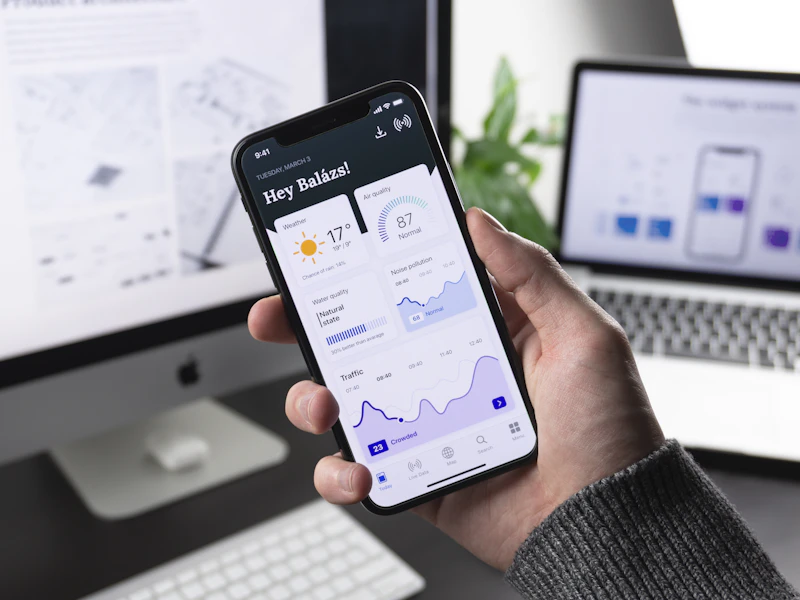
Just Digital Gurus combines business strategy, software development, user experience, automation, digital marketing, SEO, and digital transformation capabilities under one team.

This matters because a useful AI system must fit the business, the employees, the customers, and the existing technology environment.

  • Business-First Planning

    We begin with the process, user, problem, and desired outcome instead of choosing a model before understanding the requirement.

  • Agents and Complete Platforms

    Our team can develop the AI capability and the web, mobile, portal, dashboard, or administrative software required to operate it.

  • Platform-Agnostic Recommendations

    We evaluate commercial models, open-source systems, enterprise platforms, automation tools, and custom engineering based on fit.

  • Custom and Low-Code Options

    We use no-code, low-code, APIs, custom software, or a blended approach according to the project's needs.

  • Human-Controlled Systems

    We preserve approvals, responsibilities, overrides, and escalation paths for sensitive or high-impact actions.

  • Connected Digital Expertise

    Our wider experience across websites, marketing systems, CRM platforms, SEO, and digital operations helps us build connected solutions.

  • Clear Documentation

    Your team receives practical information about architecture, agents, workflows, integrations, permissions, and maintenance requirements.

  • Long-Term Optimization

    We can improve the platform as models, data, processes, users, and business requirements change.

Related AI and Digital Services

Turn Your AI Idea Into a Working Business Platform

Whether you need one focused agent, a coordinated multi-agent system, or complete business operations software, Just Digital Gurus can help you move from initial discovery to secure production deployment.

We build around your workflows, users, business data, existing technology, and long-term goals. The result is a practical AI system designed to improve how work gets done—not another disconnected technology experiment.

Got Questions?

Frequently Asked Questions About Custom AI Agents

A custom AI agent is a software system developed around a company's specific data, processes, rules, tools, and users. It can understand information, make recommendations, use approved systems, complete defined tasks, and request human review when necessary.

A custom AI agent development company plans, designs, builds, integrates, tests, deploys, and supports AI agents. Its work may also include business analysis, user-experience design, knowledge preparation, software development, security controls, and ongoing performance monitoring.

A chatbot mainly holds conversations and answers questions. An AI agent can also plan work, retrieve business information, use connected tools, update systems, complete actions, and manage multistep tasks.

An AI assistant usually prepares information or recommendations for a person. An AI agent can also complete approved actions through connected systems. The level of autonomy depends on the business requirements and controls.

A multi-agent system uses several specialized agents that divide work, exchange information, verify results, and coordinate complex processes. A supervisor or orchestration layer controls how work moves between the agents.

An enterprise AI platform is a controlled environment containing agents, user interfaces, business data, integrations, permissions, monitoring, reporting, and governance tools. It allows AI to be used consistently across departments or business processes.

Yes. Just Digital Gurus can develop web applications, customer portals, employee workspaces, mobile interfaces, chat systems, voice experiences, dashboards, and administrative controls.

In many cases, yes. Systems may connect through native integrations, APIs, webhooks, databases, Model Context Protocol, data exports, or custom middleware. We assess the available connection options before confirming the approach.

Retrieval-augmented generation allows an AI agent to search approved information before preparing an answer. It is commonly used for internal knowledge, document search, policies, customer records, product information, and source-grounded responses.

Model Context Protocol provides a structured method for connecting AI applications with approved tools and data sources. Whether it is appropriate depends on the systems, security requirements, and technical architecture of the project.

Yes, when the system is designed with appropriate permissions, security, data handling, and governance controls. Access should be limited according to each user's role and the agent's responsibility.

Accuracy can be improved through approved knowledge sources, retrieval systems, structured prompts, model selection, evaluations, output validation, business rules, human approvals, and continuous monitoring.

Yes. Human approval can be required before messages are sent, records are changed, payments are processed, requests are accepted, or other important actions are completed.

Possibly. Connection options may include APIs, databases, file transfers, browser-based workflows, middleware, or custom modernization. The available approach depends on the legacy system.

An existing tool may be sufficient for simple, low-risk, standard requirements. Custom development is more appropriate when workflows, integrations, permissions, interfaces, reliability, or competitive requirements are unique.

The timeline depends on the use case, data, integrations, interface requirements, security controls, testing, and deployment environment. A focused proof of concept takes less time than a complete multi-agent enterprise platform.

Cost depends on agent complexity, user roles, integrations, data preparation, interface development, security requirements, deployment, usage volume, testing, and ongoing support.

Yes. A proof of concept can test the most important capability, data source, model, integration, and business assumption before wider production development.

Ownership depends on the project agreement, technologies, third-party platforms, and licensed components. Just Digital Gurus defines ownership, account access, dependencies, and support responsibilities before development.

Private-cloud, self-hosted, on-premises, and hybrid options can be evaluated when security, privacy, performance, or business requirements justify them.

Yes. We can review the current architecture, prompts, models, retrieval system, integrations, reliability, costs, monitoring, and user experience before recommending improvements.

Agents can be monitored through activity logs, success rates, tool-call performance, response quality, retrieval accuracy, costs, latency, failures, user feedback, and escalation rates.

Yes. Small businesses can begin with one focused, high-value use case rather than building a large platform immediately. The system can expand after the initial value has been demonstrated.

AI agents are usually most valuable when they remove repetitive work and support employees. People remain responsible for relationships, judgment, approvals, exceptions, strategy, quality, and sensitive decisions.

A properly designed system should identify the failure, log the issue, notify the correct person, protect data, and follow a defined fallback process. Important agents should never fail silently.

Your website might be losing leads in 3 places.

Pick one and we’ll show you the biggest quick win.